
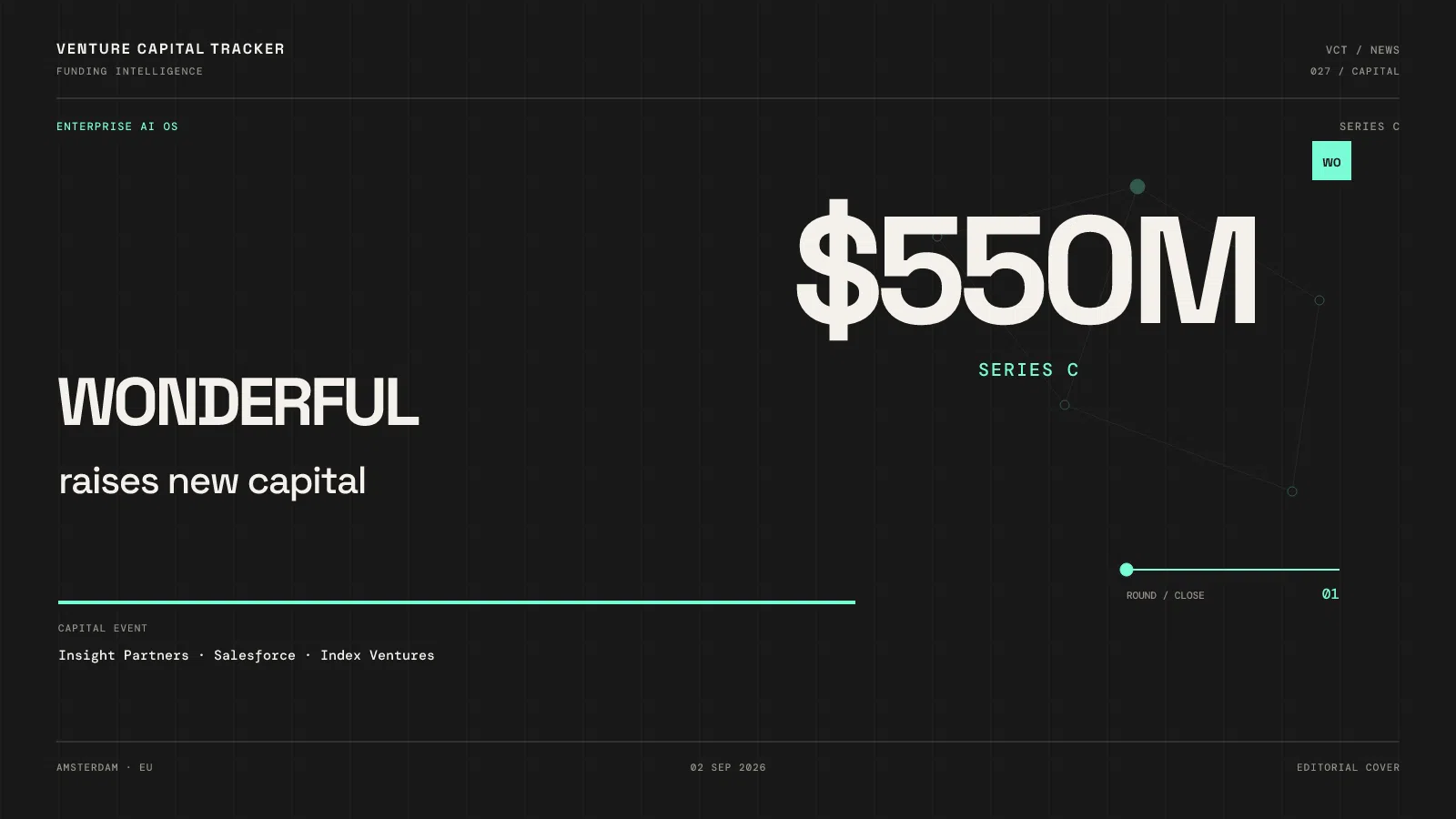
Wonderful’s $550M Series C at $5B: Enterprise AI OS Doubles Again
Insight Partners led Wonderful’s $550M Series C at a $5B valuation — six months after a $2B Series B — with Salesforce joining and a separate $170M secondary for early holders.
Insight Partners led Wonderful’s $550M Series C at a $5B valuation — six months after a $2B Series B — with Salesforce joining and a separate $170M secondary for early holders.
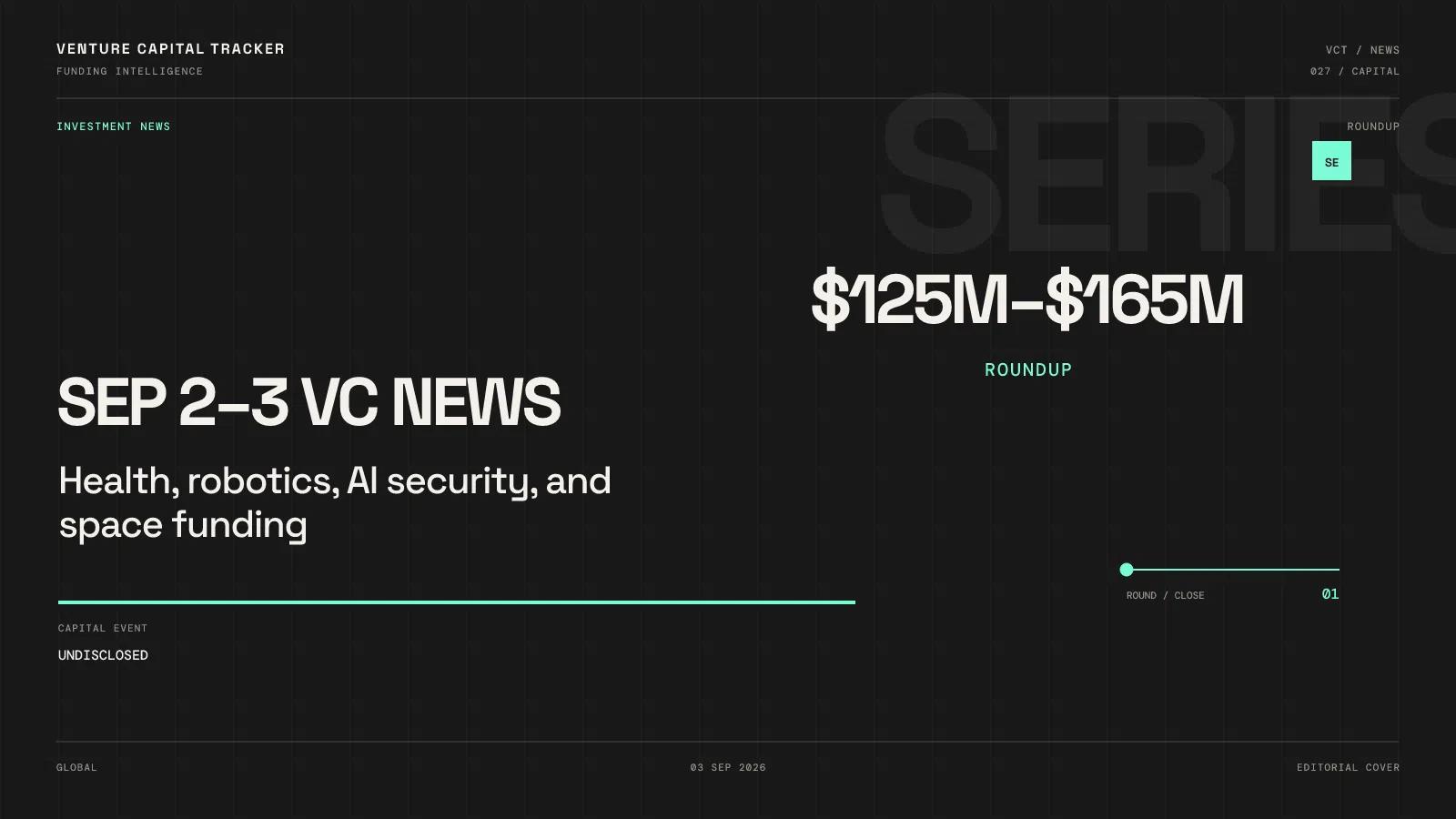
Grouped coverage of the week’s standout closes — Thyme Care $125M+, Lyte $165M, HiddenLayer $100M, Conveo $50M, Aitan $41M, HyImpulse €50M — plus Huskeys’ $27M Blackstone-led Series A.
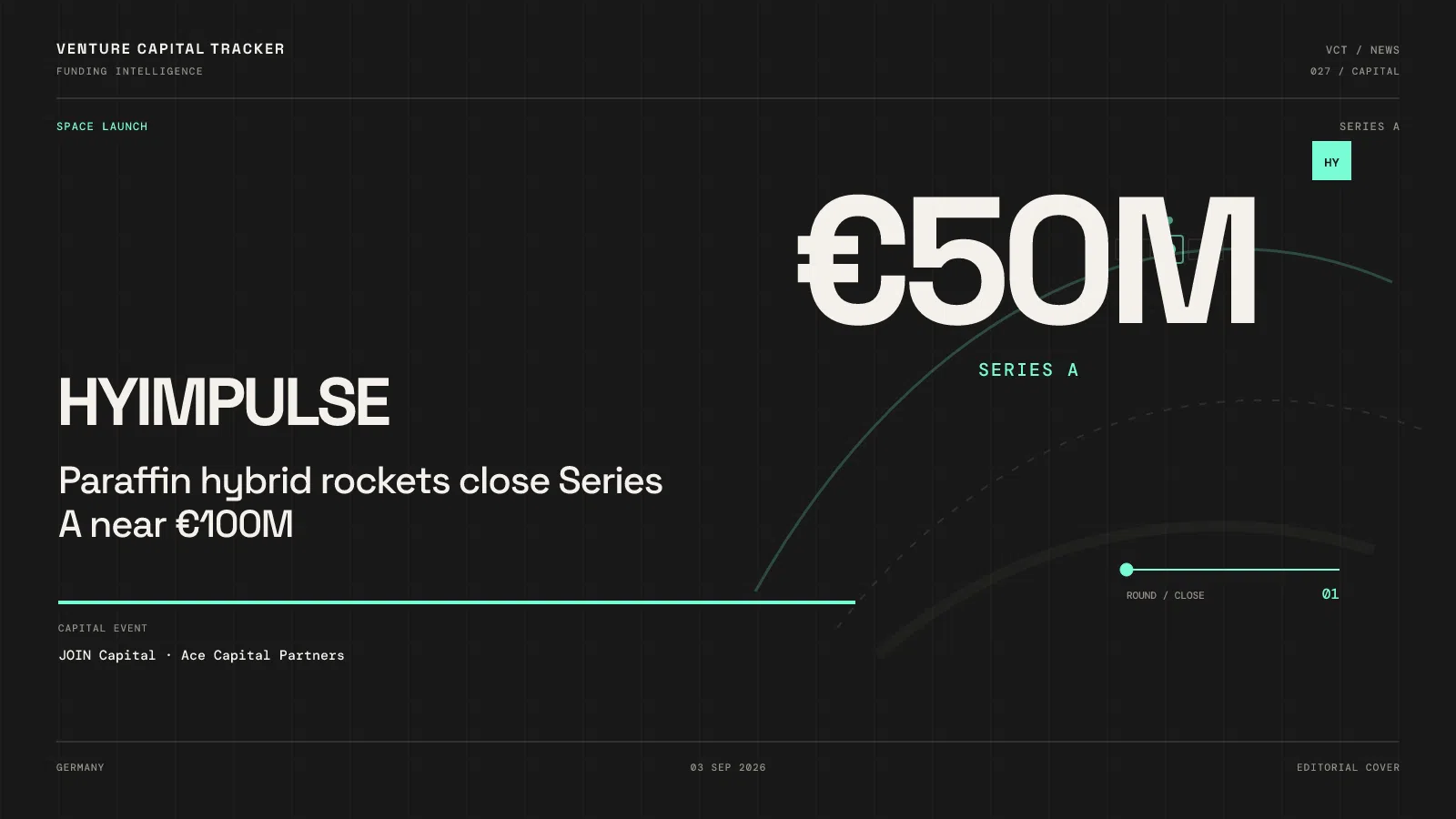
JOIN Capital and Ace Capital Partners co-led €50M to finish HyImpulse’s Series A near €100M — German hybrid propulsion startup cites €125M total capital (equity + grants) and a €350M order book ahead of SR75 and SL1 flights.
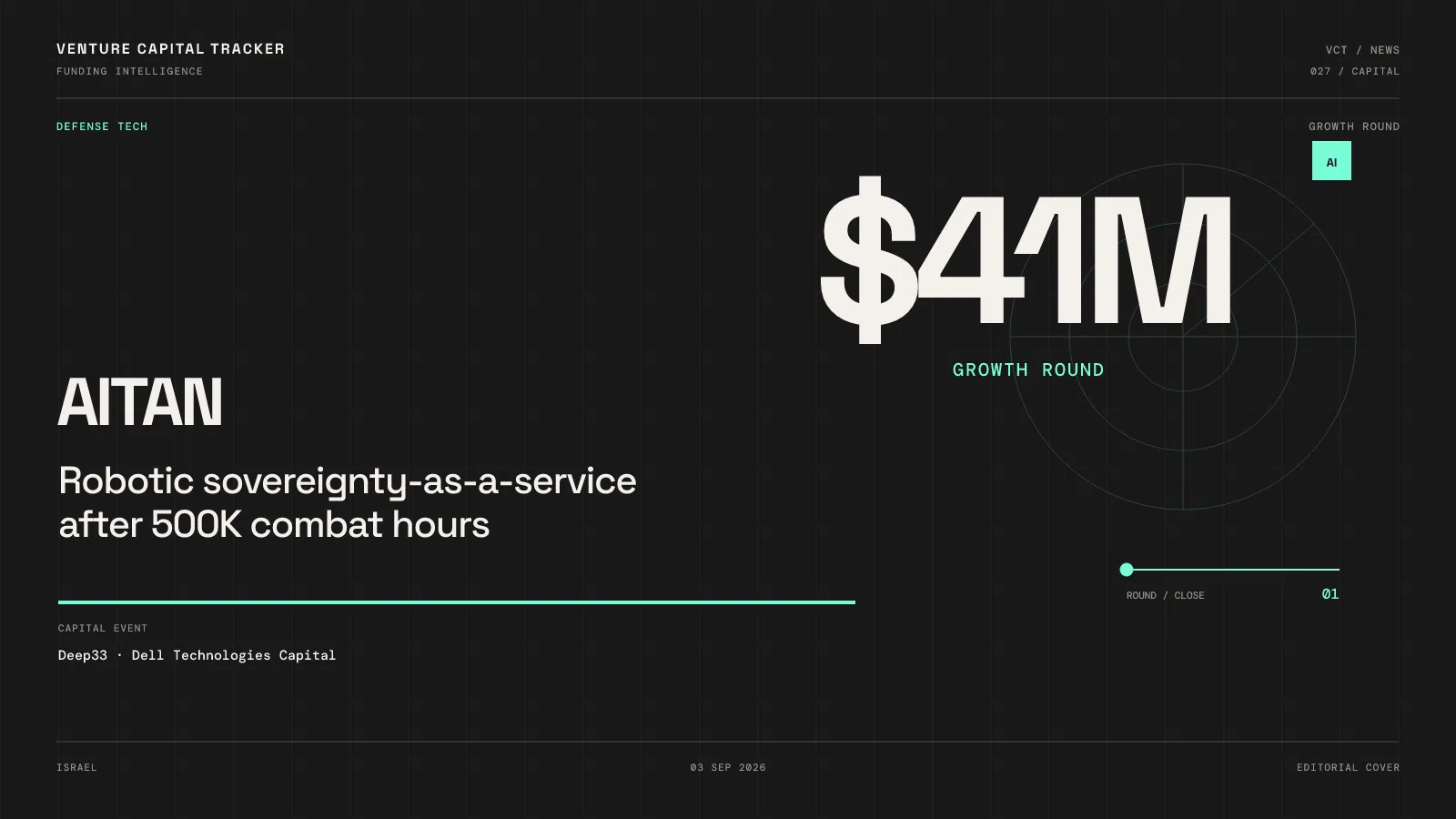
Deep33 and Dell Technologies Capital co-led Aitan’s $41M round ($54M total) as the IDF-proven robotics company opens internationally — 500,000+ combat hours and next-gen attack-drone C2 contracts.
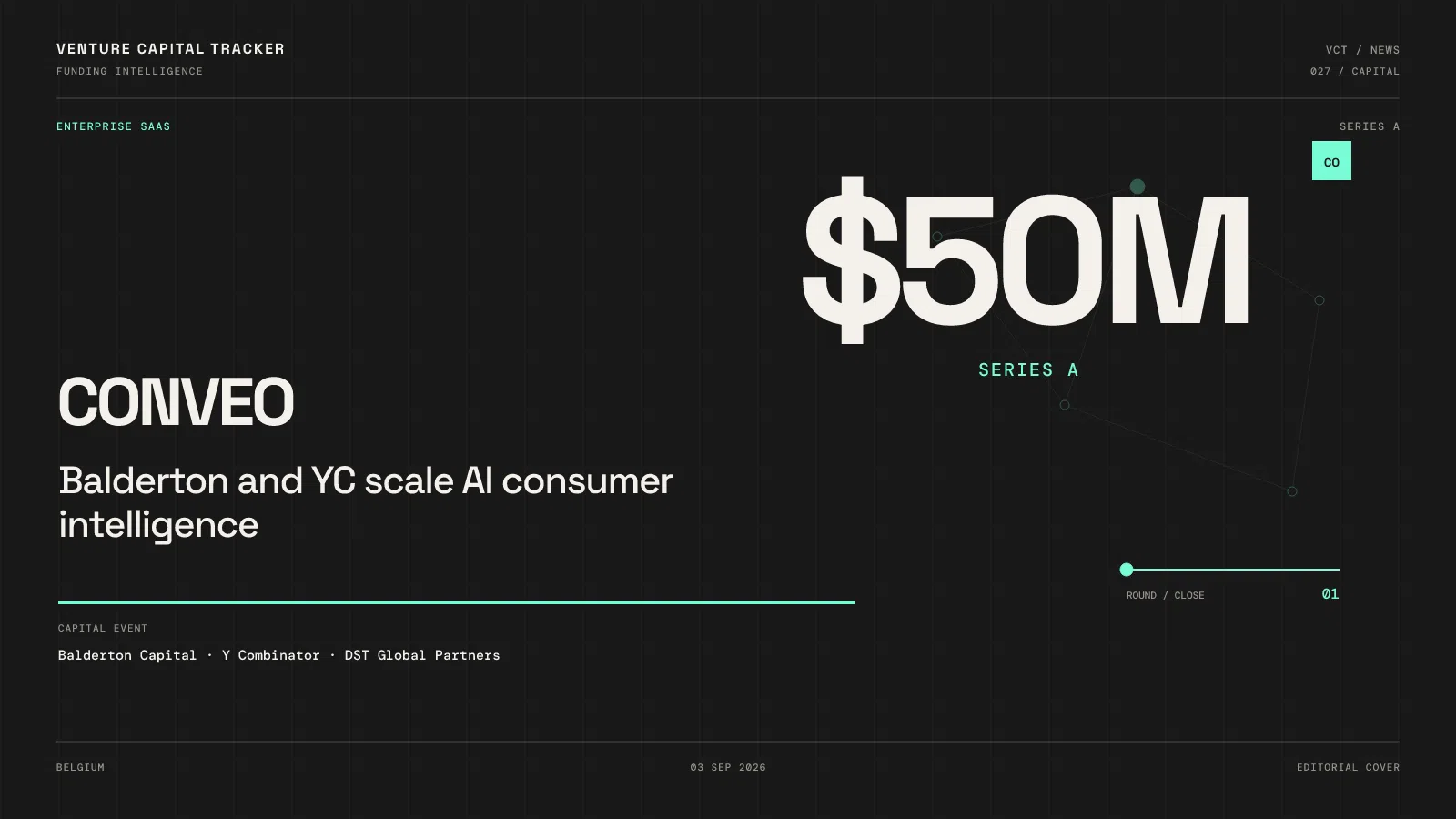
DST Global Partners, Balderton Capital, and Y Combinator back Conveo’s $50M Series A — 400+ enterprise customers including Google, Unilever, AB InBev, and Canva as AI research becomes continuous intelligence infrastructure.
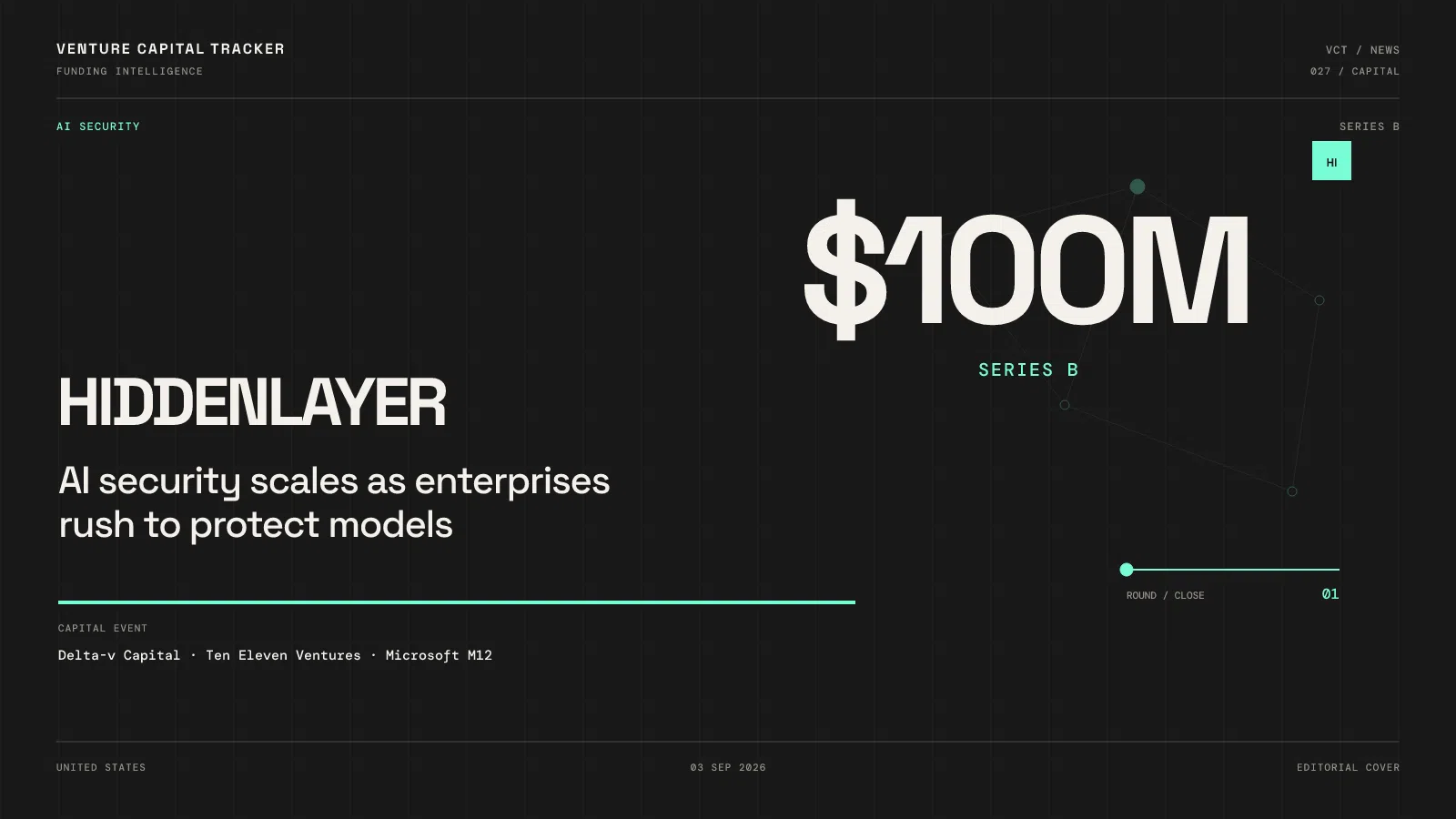
Delta-v Capital led HiddenLayer’s $100M Series B as AI security spend surges — company claims 10× ARR growth into the tens of millions, with financial services, big tech, and DoD/IC contracts.