
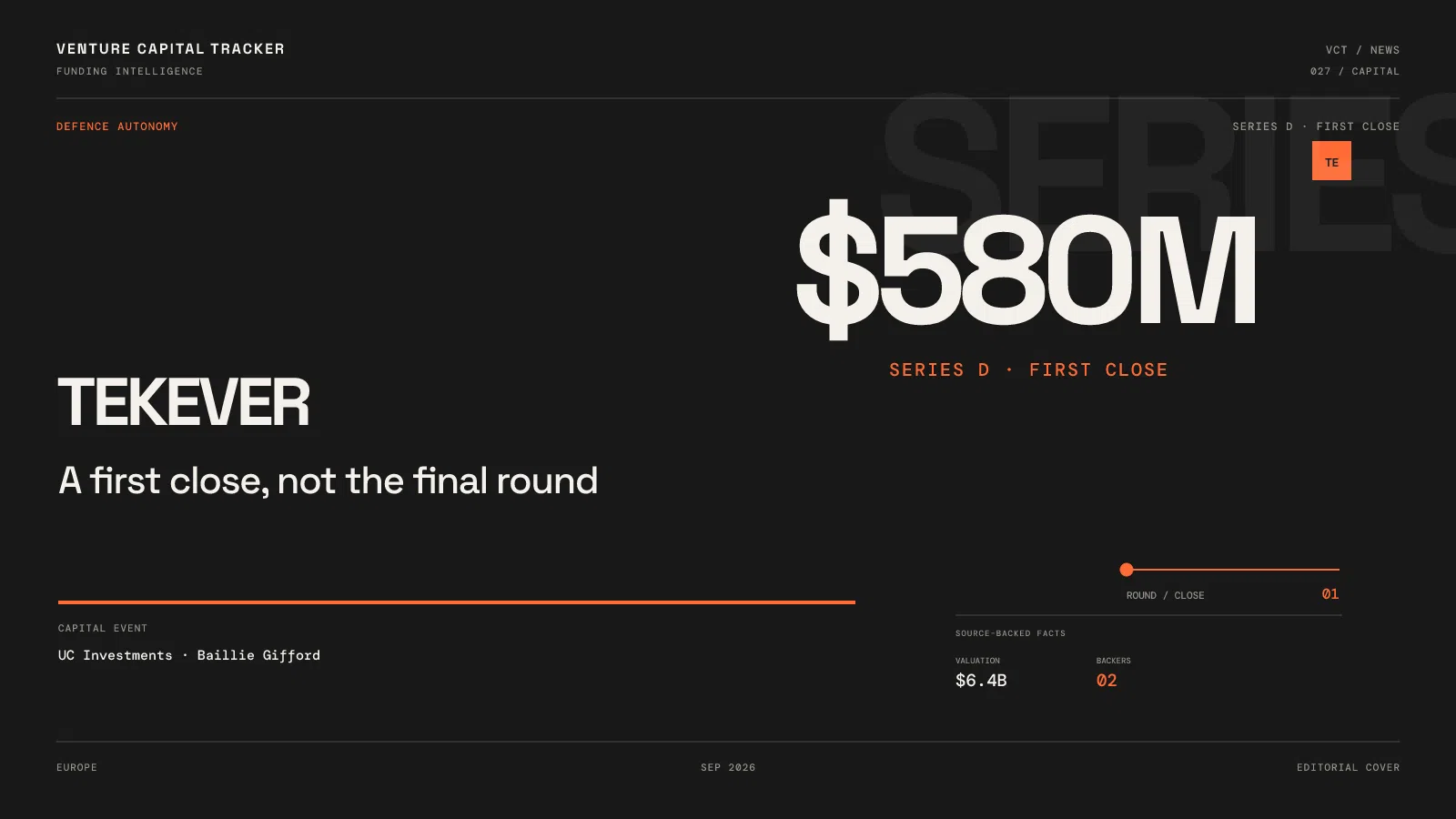
TEKEVER’s $580M Series D Is a First Close at $6.4B
TEKEVER announced a $580 million first close of its Series D at a $6.4 billion valuation, led by UC Investments and Baillie Gifford. The capital is committed, but the round may add further closes.
2026 venture capital activity reflects a market balancing AI infrastructure bets, selective growth equity, and renewed interest in capital-efficient startups. Our coverage tracks the rounds, fund launches, and strategic shifts that matter for founders and investors.
Read the latest 2026 VC news and funding roundups below.
TEKEVER announced a $580 million first close of its Series D at a $6.4 billion valuation, led by UC Investments and Baillie Gifford. The capital is committed, but the round may add further closes.
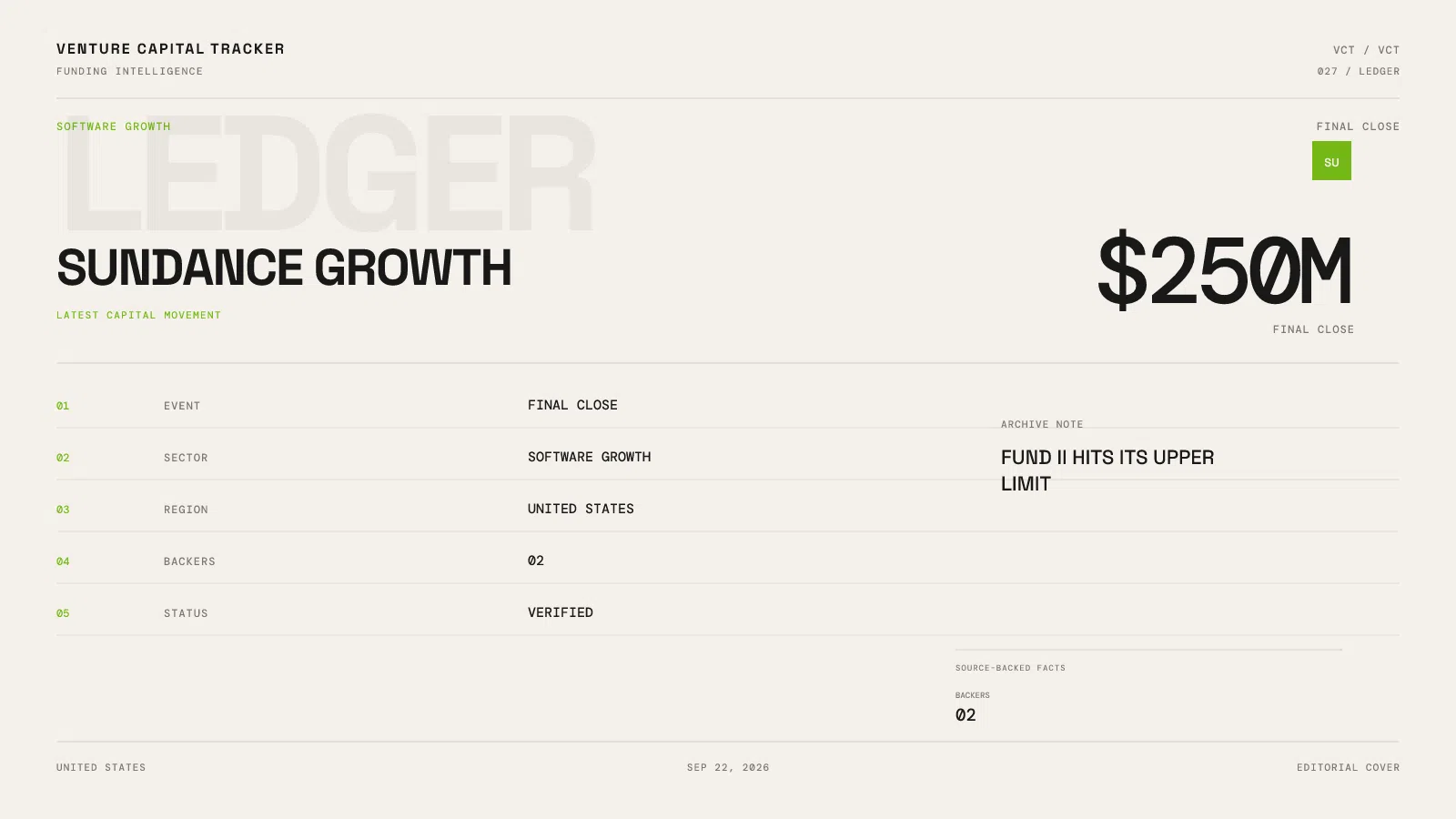
Sundance Growth closed its second software-focused growth fund at a $250 million target and upper limit, doubling its inaugural fund after just 15 months.
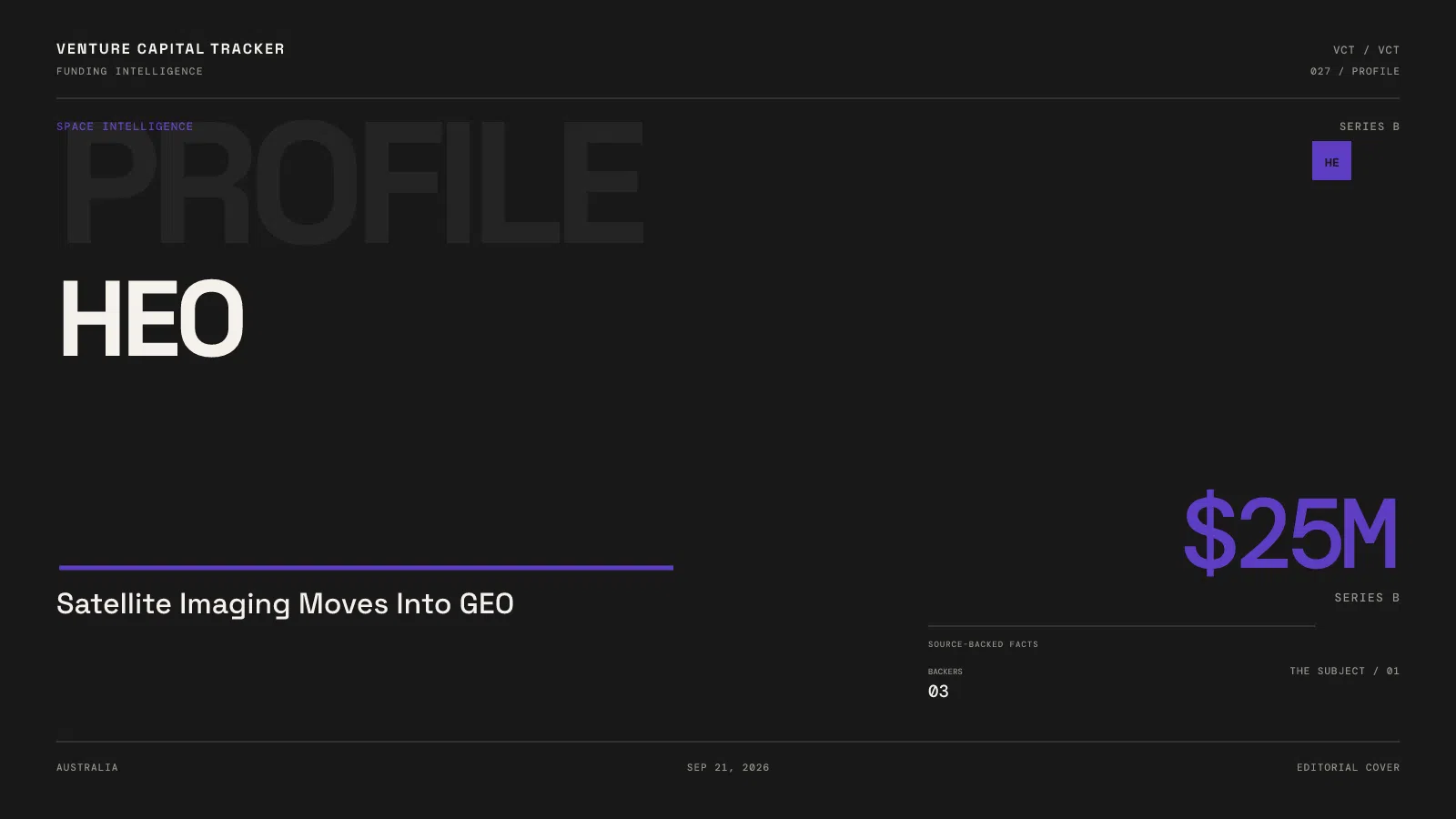
HEO raised a $25 million Series B led by Beaten Zone Venture Partners to expand its commercial satellite-imaging network from low-Earth into geostationary orbit.
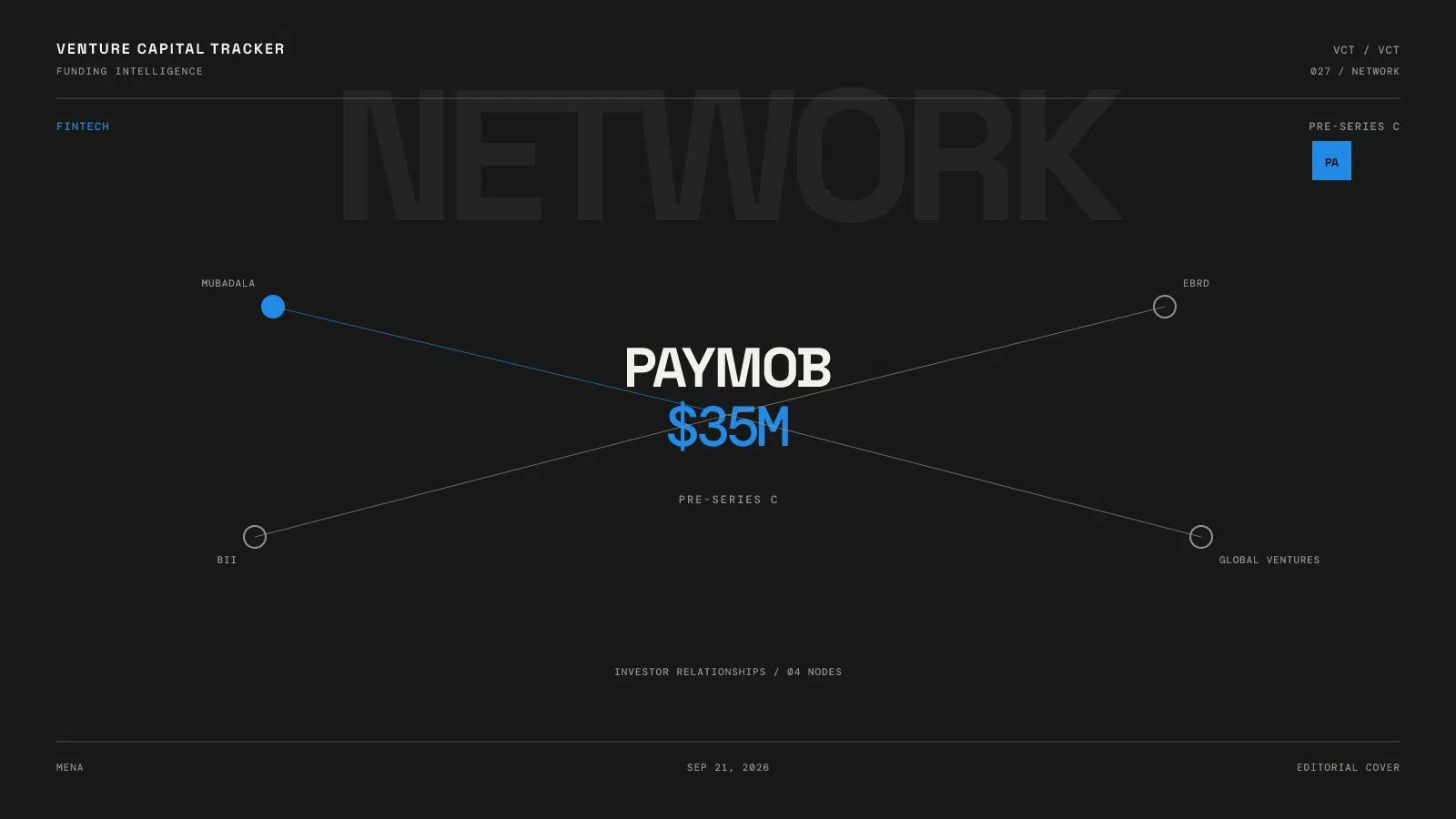
Paymob raised a $35 million pre-Series C co-led by Mubadala and the EBRD, taking disclosed funding above $125 million.
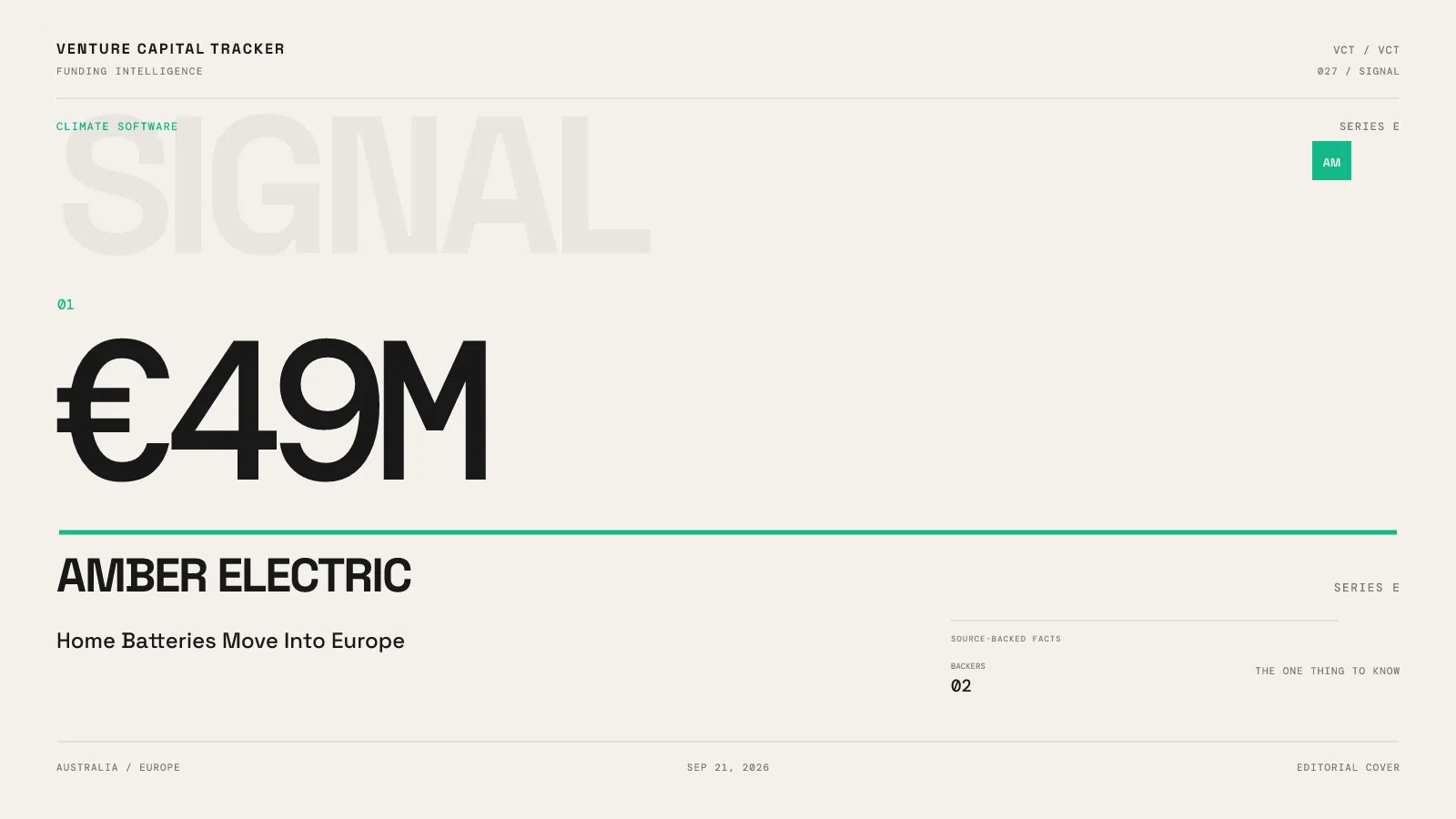
Amber Electric raised a €49 million Series E led by Morgan Stanley Investment Management's 1GT strategy, with E.ON participating.
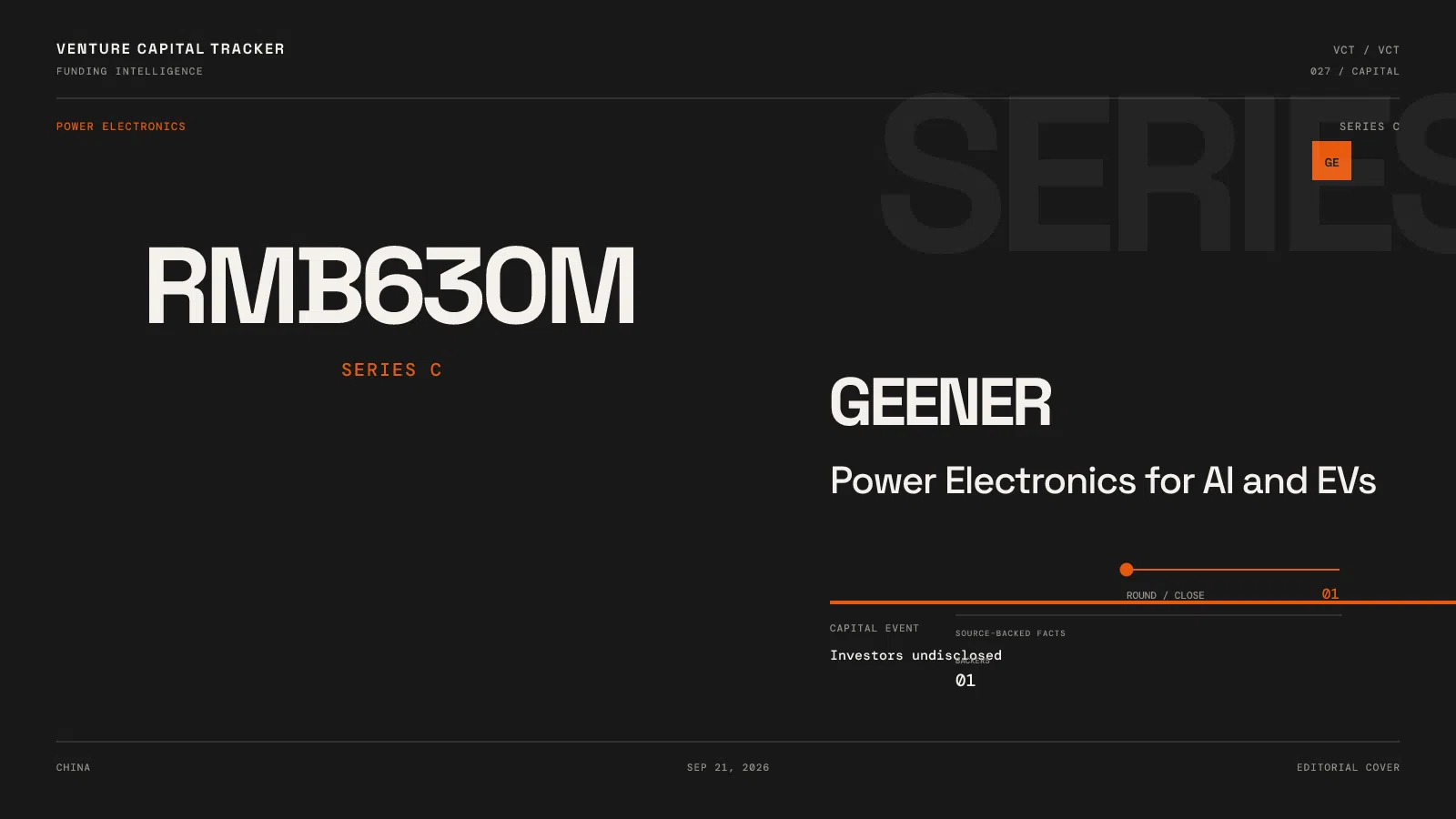
Geener raised RMB630 million in Series C financing for power electronics used in AI data centers, vehicles and industrial systems. Investors were not disclosed.