How to Raise a Seed Round in NYC in 2026: The Founder's Field Guide
A practical, data-backed guide to NYC seed fundraising: what metrics matter, which investors move fast, what check sizes to expect, and how the NYC process differs from SF.
NYC seed fundraising is a distinct art — different from SF, different from Boston. Here's the 2026 field guide.
Use the NYC seed-stage ranking to build the shortlist, then use the seed versus Series A guide to keep the ask aligned with the milestone you need to prove.
NYC seed round baseline (2026)
- Round size: $3–8M typical; $10M+ for AI-native / technical teams.
- Post-money valuation: $15–40M for competitive rounds.
- Typical instruments: SAFEs early, priced round when cumulative raise > $3M.
- Timeline: 4–8 weeks from kickoff to term sheet for prepared teams.
Who writes seed checks in NYC (quick tier map)
Lead-check funds:
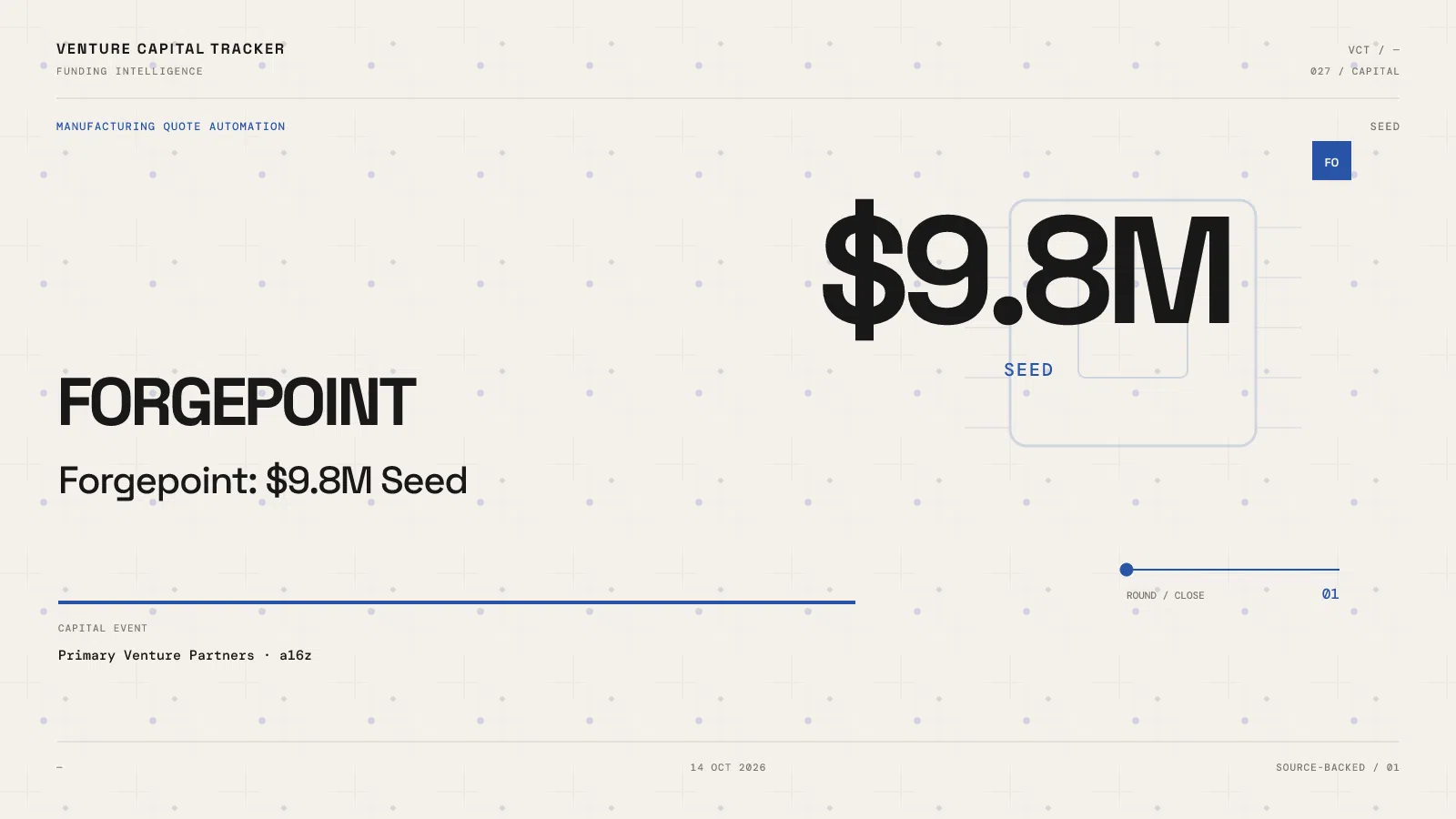
- Primary Venture Partners ($625M Fund V).
- Lerer Hippeau.
- Work-Bench (enterprise specialty).
- Union Square Ventures (thesis-driven).
- FirstMark Capital.
- Bowery Capital (B2B SaaS).
Follow-on / multi-investor rounds:
- BoxGroup.
- BBG Ventures.
- Differential Ventures (data/ML).
- Alpaca VC.
- Congruent Ventures (climate).
Specialist seed:
- Nyca Partners (fintech, often larger rounds).
- Contour Venture Partners.
- Third Sphere (climate).
- .406 Ventures (cyber, digital health).
What NYC seed investors want (evidence-based)
- Product usage signal: Early paying customers, active users, or meaningful engagement.
- Team pattern match: Operator background relevant to the problem.
- Credible wedge: Clear initial segment, not "full platform."
- Defensibility story: Why you win.
- Fundraise discipline: Clean SAFE stack, transparent cap table.
How NYC seed fundraising differs from SF
| Dimension | NYC | SF |
|---|---|---|
| Dominant sectors | B2B SaaS, fintech, health | AI, consumer, frontier tech |
| Check size (median seed) | $3–6M | $4–10M (AI-inflated) |
| Investor diligence | Moderate-heavy | Fast on AI, moderate elsewhere |
| Founder archetype | Operator-experienced | Technical + operator |
| Meeting pace | 2–4 meetings to conviction | 1–3 meetings |
| Networks | Wall Street + media | Big Tech + research |
The NYC seed fundraising timeline
Week 0–2: Prep
- Pitch deck (10 slides).
- Data room.
- Target investor list (20–30 names).
- Warm intros identified.
Week 3–6: First meetings
- 10–20 first meetings.
- Convert 30–50% to second.
Week 7–10: Second meetings + diligence
- 5–10 second meetings.
- 2–4 partner meetings.
Week 11–14: Term sheet + close
- 1–3 term sheets expected for a clean pre-seed/seed.
- Term sheet negotiation.
- Close within 2–4 weeks of signed term sheet.
Pitching tips specific to NYC
- Show customer logos: NYC investors trust enterprise logos more than hype.
- Bring revenue or usage evidence: Even small is better than none.
- Clarify TAM bottoms-up: NYC VCs skeptical of top-down TAM estimates.
- Reference SF comps when relevant: But don't over-index on them.
- Include competitive map: NYC investors expect honest competitive positioning.
Common NYC seed mistakes
- Raising too much too soon: Diluting on a rough SAFE stack.
- Targeting only top-tier: Missing specialist and emerging manager opportunities.
- Ignoring Lerer Hippeau/BoxGroup scale: These firms fund many deals — take warm intros.
- Not using AlleyWatch: Missing intel on who's active in your sector this month.
Practical takeaway
- Founders: Map your investor list by stage fit + sector fit; don't spray.
- Operators: Pre-build relationships 3–6 months before fundraising.
- Emerging managers: NYC seed is crowded — specialist positioning wins.
Sources
- Primary Venture Partners: https://www.primary.vc/
- AlleyWatch: https://www.alleywatch.com/
- Carta Top Startup Ecosystems 2025: https://carta.com/data/top-startup-ecosystems-2025/
- vc-explainers
- nyc-startups
- startup-funding
- +1 more
Editorial note: AI tools assisted with research, structure, or drafting. Venture Capital Tracker retains human editorial responsibility for factual accuracy, relevance, and source quality before publication.